
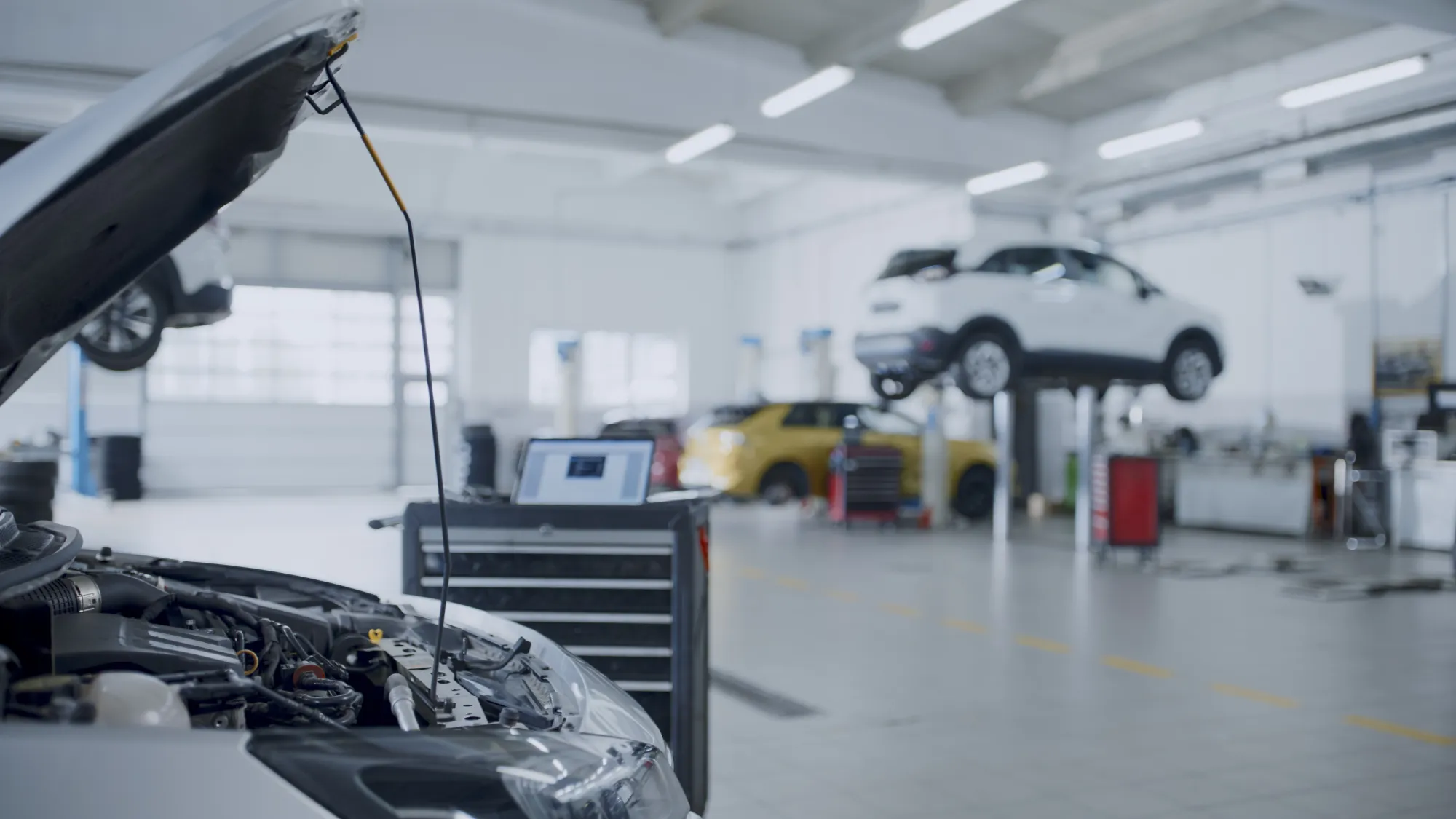
New spark plugs do not automatically need new ignition coils. For Decatur drivers asking, “Do new spark plugs need new coils?” the decision should come from the vehicle’s service requirements and an ignition system inspection, rather than replacing both simply because the plugs are due.
Replacing coils alongside plugs makes sense when testing identifies a coil fault, inspection reveals damage that requires replacement, or an applicable manufacturer procedure calls for both. If the coils remain serviceable and the vehicle’s instructions allow reuse, new plugs alone may be the appropriate recommendation.
Why plug replacement does not automatically include coils
Spark plugs and ignition coils work together, but they are separate parts. The coil supplies the high voltage used to produce the spark. Ignition layouts vary: some use individual coils, while others share coils between cylinders. HELLA’s ignition guide explains these differences.
That means a recommendation should start with your specific engine. “The spark plugs are due” explains the plug replacement; it does not, by itself, explain a new set of coils.
Think of the decision as two questions: What maintenance does the vehicle require now, and what additional faults did the inspection find? Keeping those questions separate makes the estimate easier to understand.
As with the upkeep discussed in simple maintenance that helps you save money at the pump, use the vehicle’s maintenance requirements to plan the work. A coil recommendation needs its own explanation.
What an ignition system inspection should check
An inspection should look beyond whether the engine has a warning light. Relevant checks include:
- Coil housings for cracks or leaking sealant.
- Wiring and connectors for damage or corrosion.
- Plug wells for oil or water.
- Spark plugs and coil boots for carbon tracking or other visible damage.
HELLA identifies housing, connection and contamination checks in its diagnostic guidance. It also notes that leaking engine oil can damage coil insulation. GM’s carbon-tracking procedure specifically includes examining both plugs and boots.
Ask the technician to show you the damage and name the affected part. If a boot is damaged, the next question is whether the manufacturer’s approved repair permits replacing it separately or requires the coil assembly.
If contamination is present, ask what caused it and how the proposed repair addresses it.
Champs Tire & Service lists spark plug replacement, ignition system inspection and engine diagnostics on its tune-up service page. An inspection can help separate the planned plug service from any additional repair.
A misfire code does not prove the coil is bad
A cylinder misfire code is a starting point for diagnosis. HELLA’s guidance shows why further checks matter: ignition faults, injection faults and mechanical engine problems can produce symptoms or readings that need investigation.
The coil’s electrical supply matters, too. Delphi’s coil-testing guidance recommends checking supply voltage before testing the coil. It also says an unusual ignition burn time should prompt a check that the spark plug is correct and properly gapped.
For the customer, the useful question is: “What test or damage confirms that this coil needs replacement?” A code plus an explanation of the diagnostic findings is more informative than a code alone.
If the engine runs poorly after new plugs are installed, the same principle applies. Confirm the plug specification and installation requirements, inspect the connections, and diagnose the remaining fault before deciding that new coils are necessary.
When should you replace ignition coils with spark plugs?
There are several reasons a combined repair may be appropriate.
A coil fault is confirmed while plug replacement is due. Both jobs may belong on the estimate, with a separate explanation for each.
Inspection reveals boot or coil damage. The repair should follow the vehicle’s service information. Ask whether the damaged component is separately serviceable and what other parts the procedure requires.
The manufacturer’s procedure specifies combined replacement. For example, GM service update N192281810 directs replacement of all plugs and coils when carbon tracking is found on involved vehicles. Without tracking, that procedure moves to grease application rather than parts replacement.
That GM document concerns specified vehicles and an identified condition. It illustrates why manufacturer instructions matter; it does not establish a rule for every plug change or promise current warranty coverage. Applicability needs to be checked for the vehicle.
The coil is part of a shared assembly. Delphi notes that multiple coils can be molded into one housing. Ask whether the estimate lists an individual coil or an assembly, and why that part is required.
Consider two illustrative estimates. In the first, the vehicle is in for scheduled plug maintenance, the inspection finds no coil damage, and there is no confirmed coil fault or applicable instruction requiring replacement. The explanation for keeping the coils should be straightforward: the planned maintenance calls for plugs, and the additional findings do not justify coils.
In the second, the plugs are due and a coil problem has also been confirmed. The estimate should identify the affected component and explain whether the repair involves that individual unit, a shared assembly, or a broader replacement required by the manufacturer. Seeing several coils listed is a reason to ask about the procedure, rather than assume either that every coil is necessary or that only one could be justified.
These examples are decision guides, not diagnoses for a particular car. The useful detail is what changed between them: evidence of a fault or a vehicle-specific requirement. The fact that both vehicles need plugs does not settle the coil question.
What should explain the final recommendation?
Before approving new coils with new plugs, look for clear answers to these questions:
- Are the plugs being replaced for scheduled maintenance, a diagnosed fault, or both?
- What damage or test result supports replacing each coil or assembly?
- Does vehicle-specific service information require additional parts?
- If boots are damaged, what repair does the manufacturer allow?
- How will the shop verify that the original problem is resolved?
For a diagnosed drivability problem, HELLA describes checking operation after repair and reading fault memory again. The recommendation should connect the original complaint, the evidence and the verification.
A sound estimate can recommend plugs alone or plugs with coils. What makes it convincing is a reason for each part: the vehicle’s requirements, an inspection finding or a confirmed fault.